Over the first nineteen editions of Signals & Systems, I’ve written about a range of issues technology leaders are being forced to confront.
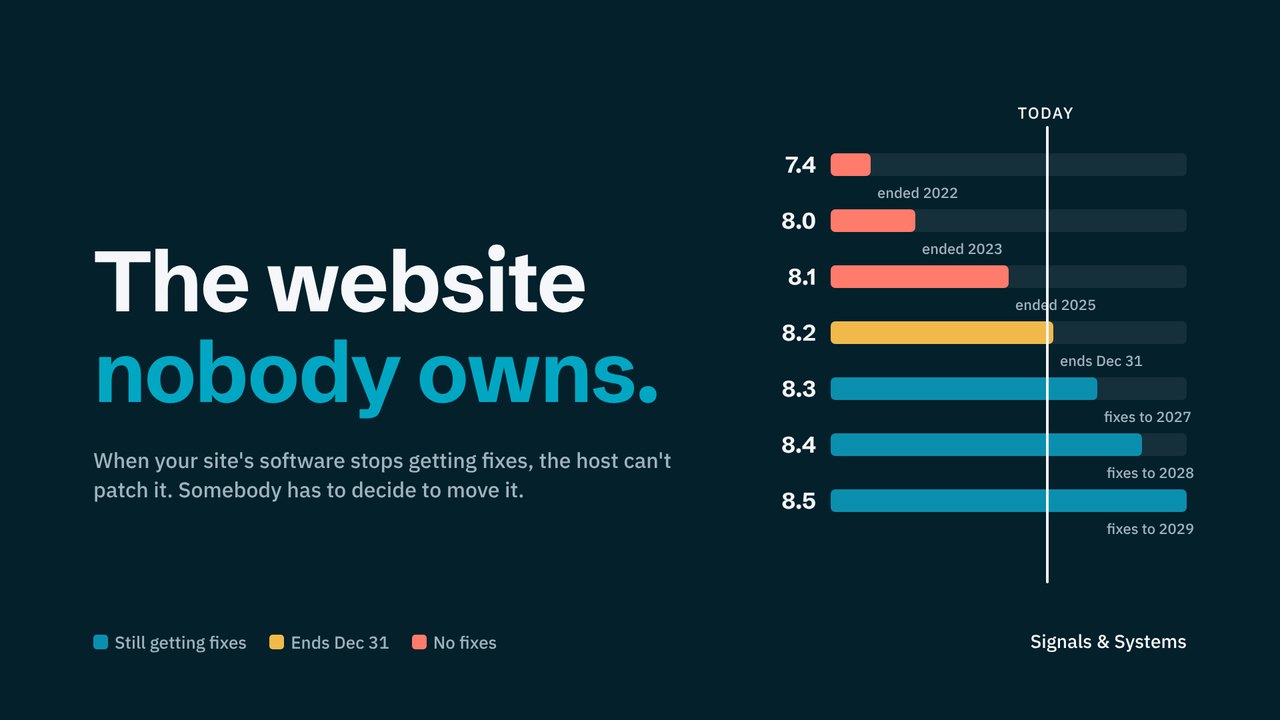
Some were visible and immediate, such as the retirement of copper phone lines, rising licensing pressure, and the growing cost of fragmented technology environments.
Others were less obvious, but just as important, including AI governance, data readiness, CRM structure, infrastructure at scale, tool consolidation, building systems, email deliverability, resilience, technical debt, and the seams where systems tend to break.
At first glance, these may look like separate conversations.
One belongs to telecom. Another belongs to cybersecurity. Another belongs to finance, operations, facilities, sales, procurement, or IT.
But in practice, they rarely stay that neatly contained.
That’s been the point of this newsletter from the beginning.
The most important technology issues inside an organization aren’t always isolated inside a single platform, vendor relationship, or department. More often, they sit between systems. They sit between owners. They sit between budget cycles, risk models, operational habits, and leadership decisions.
That’s why they’re easy to underestimate.
And it’s also why they’re hard to solve.
The Pattern Underneath the Problems
A disconnected phone line isn’t just a telecom issue if it supports an alarm panel, elevator, fax process, payment terminal, or emergency device.
A licensing renewal isn’t just a procurement issue if it changes the economics of an entire infrastructure strategy.
A CRM reporting problem isn’t just a sales operations issue if the underlying data model, process discipline, and incentive structure are misaligned.
A building management system isn’t just a facilities issue if it introduces vendor access, identity, network, and business continuity risk.
An AI initiative isn’t just an innovation issue if the organization hasn’t addressed data quality, governance, workflow, ownership, and infrastructure readiness.
These aren’t small details.
They’re signals.
They tell leaders where the operating model is under stress.
The challenge is that most organizations already have enough signals. They don’t need another person pointing out that technology is changing, costs are rising, AI is moving quickly, or legacy systems create risk.
Senior leaders already know the pressure is real.
What they often lack is a clear way to translate those signals into action.
That’s the harder work.
Why Visibility Alone Isn’t Enough
Visibility is valuable, but visibility by itself doesn’t create progress.
A dashboard can show cost increases without explaining what to do about them.
An assessment can identify technical debt without helping leadership decide what should be retired, replaced, funded, or sequenced.
A vendor review can uncover overlap without clarifying which tools are actually business-critical.
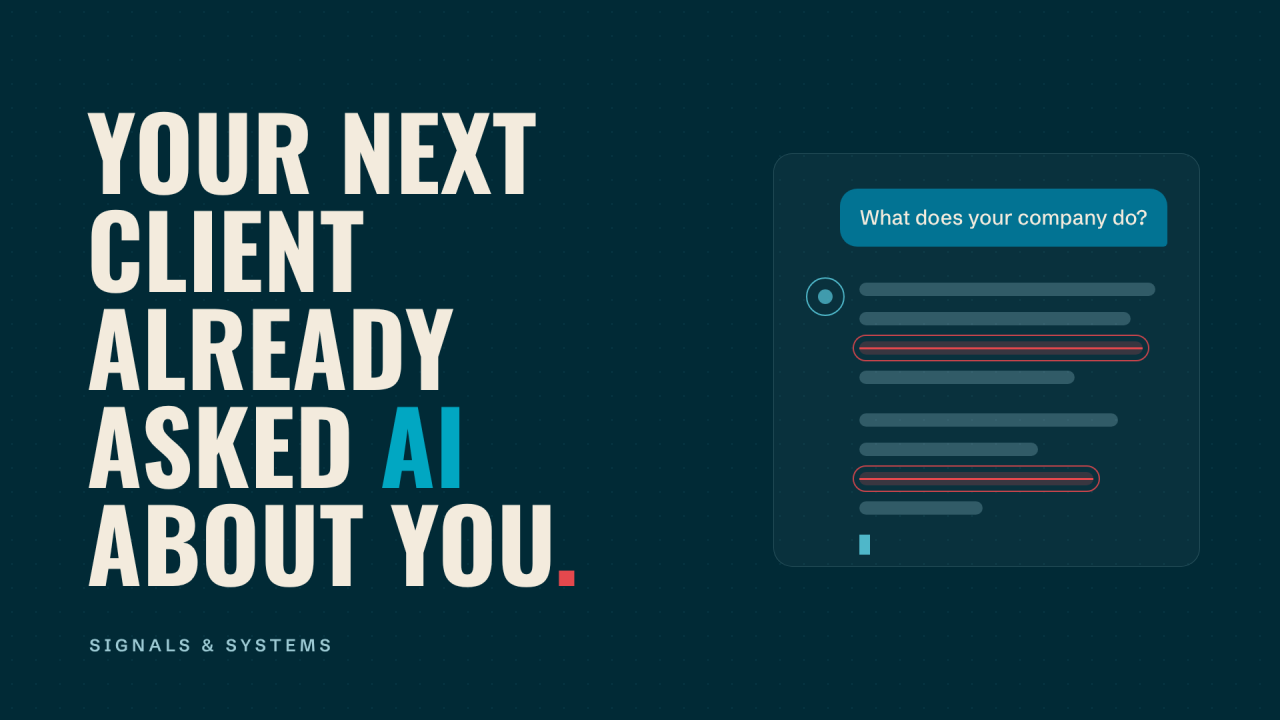
An AI readiness conversation can expose governance gaps without creating a practical path to adoption.
A telecom inventory can reveal aging infrastructure without answering which dependencies matter most.
That’s where many organizations get stuck.
They’re not ignoring the problem. They’re often looking at it from too many disconnected angles.
IT sees the architecture.
Finance sees the spend.
Operations sees the disruption.
Security sees the exposure.
Procurement sees the renewal.
Executives see the pressure to modernize, but not always the sequence required to do it well.
As a result, the organization may keep moving, but the environment becomes heavier. More tools. More contracts. More exceptions. More shadow processes. More ownership gaps. More decisions deferred until something breaks, renews, escalates, or becomes too expensive to ignore.
This is how modernization becomes accumulation.
And once that happens, adding more technology rarely solves the underlying issue.
In some cases, it makes the system harder to manage.
The Missing Step Is Translation
There’s usually a missing step between recognizing a problem and selecting a solution.
That step is translation.
Someone has to take the scattered signals and turn them into a clear decision path.
- What’s actually happening?
- Where’s the pressure coming from?
- Who owns the issue today?
- What cost, risk, or friction is being created?
- Which dependencies are hidden?
- Which options are real?
- Which vendors should be evaluated?
- Which decisions need to happen now, and which can wait?
Most organizations don’t struggle because they lack tools. They struggle because the problem hasn’t been framed in a way that leadership can act on.
That distinction matters.
A well-framed problem creates leverage. A poorly framed problem creates more meetings, more opinions, more vendor noise, and eventually another tool added to an already crowded environment.
The first step isn’t always procurement.
The first step is clarity.
Where The Deady Group Fits
This is the work I help organizations with.
The Deady Group is a boutique advisory firm for organizations facing technology pressure, vendor complexity, and modernization decisions that don’t fit neatly into one category.
The boutique part matters.
Clients aren’t handed a generic assessment, a pre-set vendor list, or a one-size-fits-all recommendation. The work is tailored to the actual environment, the business context, the risk profile, and the decisions leadership needs to make.
It also means clients get founder-level involvement.
That matters because many of these issues require more than product knowledge. They require judgment across systems, incentives, vendors, budgets, timing, and execution realities.
The work usually starts when something feels off, but the next move isn’t obvious.
It may be a licensing renewal that no longer feels predictable.
It may be a legacy telecom environment that’s become expensive, fragile, or poorly documented.
It may be a need to modernize communications, connectivity, security, cloud, or infrastructure without adding more complexity.
It may be an AI readiness concern where the organization knows it needs governance, but doesn’t know where to start.
It may be a vendor environment that’s grown over time without enough visibility into cost, usage, accountability, or overlap.
It may be a business continuity risk sitting quietly inside systems no one has reviewed in years.
In each case, the work starts the same way.
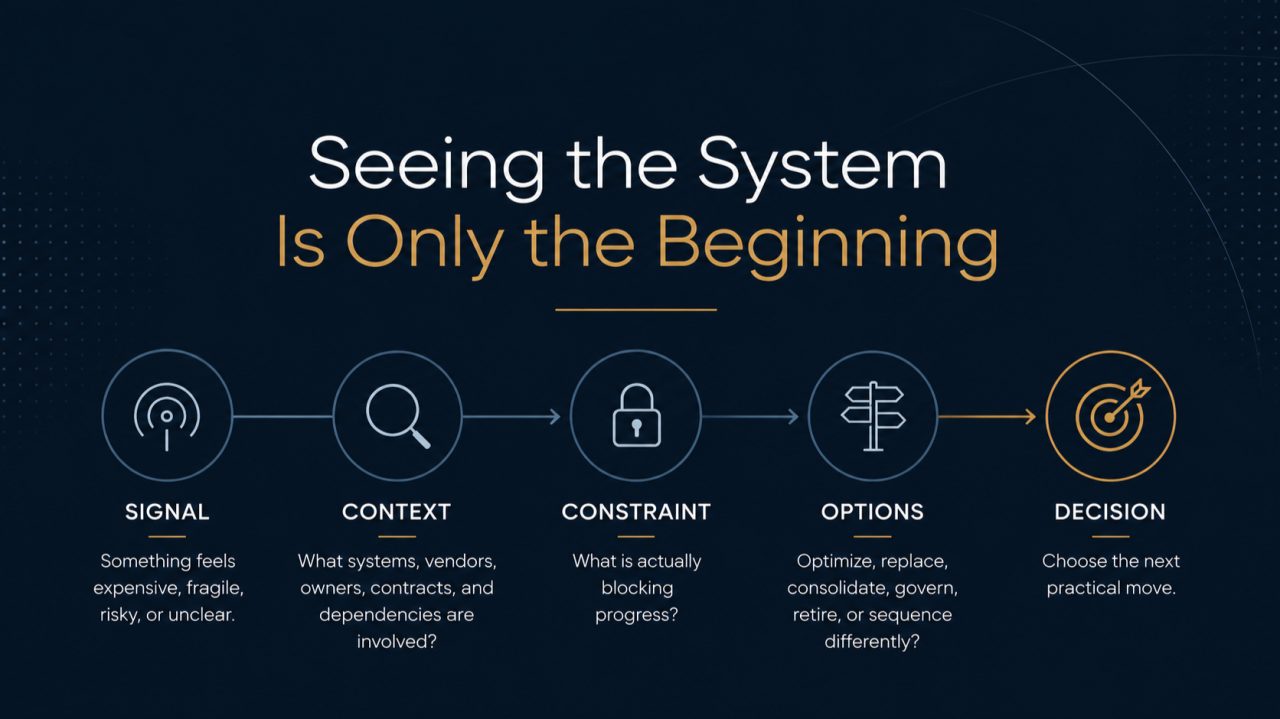
We clarify the environment.
We identify the real constraint.
We separate urgent issues from background noise.
We map practical options.
Then, when the situation calls for deeper technical validation or provider evaluation, we bring in the right specialist expertise. That may include vendor-agnostic subject matter experts, independent technology advisors, or solution teams with specific domain experience.
That access matters.
But access only creates value when it’s guided by an independent advisory process.
The value isn’t in pushing every conversation toward a particular vendor or product category. The value is in staying close to the market, understanding the available options, and helping leaders make a better decision before they commit budget, time, and internal attention to the wrong path.
What Working Together Actually Looks Like
A first conversation is usually straightforward.
It starts with a pressure point.
“We’re seeing our licensing costs change and want to understand our options.”
“We have legacy phone lines, but no one has a clean inventory.”
“We know our technology environment has overlap, but consolidation feels risky.”
“We want to explore AI, but our data and governance aren’t ready.”
“We have too many vendors and not enough visibility.”
“We’re modernizing, but every step feels slower than it should.”
Those are good starting points because they’re specific enough to examine, but broad enough to reveal the system underneath.
From there, the work is practical.
We look at what’s currently in place.
We identify what’s driving cost, risk, friction, or delay.
We determine where ownership is clear and where it’s fragmented.
We evaluate whether the right move is to optimize, replace, consolidate, govern, retire, or sequence the change differently.
Sometimes the next step is a provider introduction.
Sometimes it’s an assessment.
Sometimes it’s a roadmap.
Sometimes it’s a specialist conversation to pressure-test a path before leadership makes a larger commitment.
Sometimes it’s simply helping the organization pause before adding another layer of complexity.
That last outcome is important.
Good advisory work shouldn’t make every problem look like a purchase.
It should help leaders understand whether a purchase is actually the right next move.
Why This Matters Now
The next few years will put more pressure on mid-market and regulated organizations, not less.
Licensing models will continue to change.
Legacy infrastructure will continue to age out.
AI capabilities will continue to appear inside tools that companies already use.
Cyber and operational risk will continue to spread into systems that were never originally treated as strategic.
Technology budgets will remain under scrutiny.
At the same time, senior leaders will be expected to modernize faster, reduce waste, improve resilience, and make better use of data.
That combination creates a difficult leadership problem.
Move too slowly, and risk accumulates.
Move too quickly, and complexity accumulates.
The better path isn’t to chase every new capability or delay every hard decision.
The better path is to understand the system clearly enough to know what should happen next.
That’s where this next phase of Signals & Systems is headed.
The first nineteen editions were largely about identifying the signals: the patterns, pressures, risks, and hidden dependencies shaping modern technology decisions.
The next phase will stay focused on those signals, but with more emphasis on what leaders can do with them.
Because seeing the system is only the beginning.
The real work is turning that visibility into better decisions.
If your organization is dealing with rising technology costs, legacy infrastructure, AI readiness questions, vendor complexity, or modernization pressure, I’d welcome a conversation.
The goal isn’t to force a solution.
It’s to understand the environment, clarify the real issue, and determine whether there’s a practical path worth pursuing.
You can start a conversation here, or send me a note and we can start there.
This issue also ran on LinkedIn, where you can follow Signals & Systems.