The copper is going away. Some of what runs on it cannot fail.
What is POTS line replacement? Plain old telephone service is the copper landline network. Carriers are retiring it and raising the price of what remains, so organizations that still run fire alarms, elevator phones, fax, security panels, or point-of-sale on copper have to move those lines to something else: cellular, an internet-based line with battery backup, or a purpose-built replacement device. The decision is less about the technology and more about what each line is actually doing and what the code requires of it.

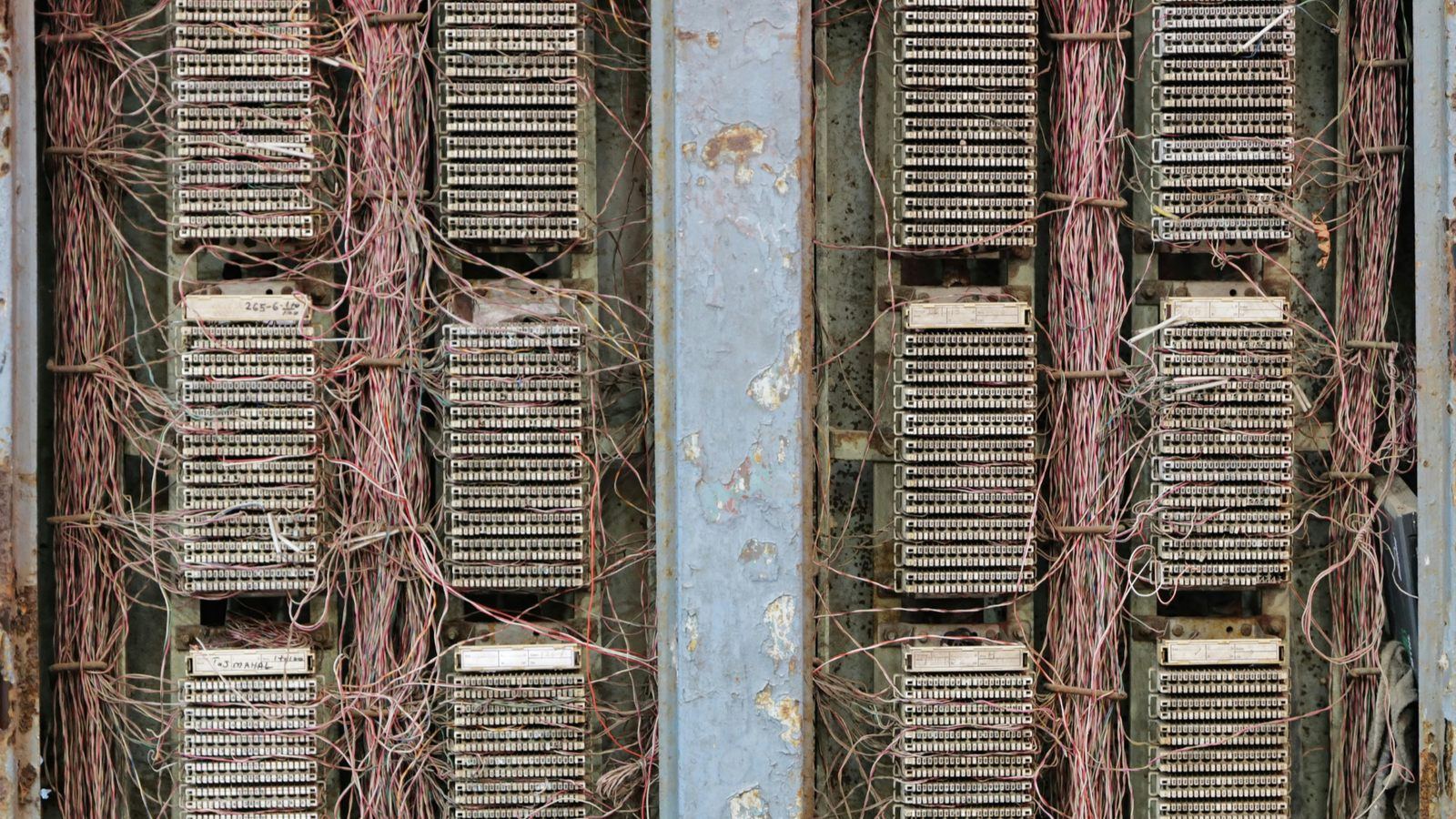
What is probably still on your copper.
Most organizations do not know. The lines were installed years ago, the bill is small, and nobody has traced them. The usual list: fire alarm communicators, elevator emergency phones, security and access-control panels, fax, backup lines for point-of-sale or credit card terminals, and a handful of numbers that ring somewhere no one remembers.
Fire alarm lines
Fire alarm communicators traditionally used two copper lines to reach the monitoring center. The communication path is governed by NFPA 72, the National Fire Alarm and Signaling Code, as adopted and enforced by your local authority having jurisdiction. Cellular and IP communicators that meet the code are widely available and widely accepted, but the replacement has to satisfy the edition your jurisdiction enforces, has to be tested on the schedule the code sets, and has to be documented for the inspector. The wrong shortcut here is a failed inspection or a panel that cannot reach the monitoring center.
Elevator phones
ASME A17.1, the Safety Code for Elevators and Escalators, requires two-way emergency communication from inside the car to a live person, on a path that keeps working through a power failure. Cellular replacements are in use and accepted under the code; the obligation to test, document, and maintain the line does not go away, and the elevator inspector will ask.
The options, plainly.
| Option | Fits | Watch for |
|---|---|---|
| Cellular replacement device | Fire, elevator, security panels, single lines at remote sites | Signal at the panel's actual location; battery backup; monitoring center compatibility |
| Internet-based line (VoIP) with battery backup | General voice, fax with the right adapter | Loses service when the internet or power does; not every life-safety application accepts it |
| Keep the copper | A line the carrier will still sell you, at a price you will tolerate | Rising cost, declining maintenance, and a retirement date you do not control |
| Retire the line | Anything nobody can explain | Verify before disconnecting; the line that seems dead is sometimes the one the alarm uses |
The mistake to avoid: letting the vendor who sells one of these options decide which lines you have and which option you need. The inventory should come first, and it should be done by someone who is not paid on the answer.
Score your readiness in ten minutes.
Fifty-six checks across inventory, cost, life safety, reliability, compliance, planning, and governance. Your section scores update as you go, and we check one of your analog lines against the carrier retirement tracker for free.
The POTS Readiness Assessment.
We inventory every copper line, identify what depends on it and what code applies, and give you a replacement plan by line, with the options that pay us nothing included.
Prefer to score it yourself first? Take the POTS Readiness Assessment on the page, with your section scores as you go, or download the printable PDF from there.
How long do I have?
It depends on the carrier and the line; some are already retired, some have a date, some are simply getting more expensive until you leave. The assessment reads your actual bill and carrier notices.
Can fire alarm lines go cellular?
Widely, yes, subject to the local authority and proper documentation; the assessment covers the path.
Do I need to replace everything at once?
No. The plan is by line, in order of what cannot fail first.
The copper is on a timeline you did not set.
The Digital Presence & Technology Review is the fastest way to see how we work, and it costs nothing. If the situation is already clear, start a conversation instead.