What it looks like when it works.
We show three kinds of evidence. Named cases, where the client has agreed to be named. Anonymized outcomes from engagements across our ecosystem, described honestly and without invented quotes. And a complete Review, start to finish, so you can judge the method directly. Where a number appears, we can stand behind it. Where we cannot yet, we say so.
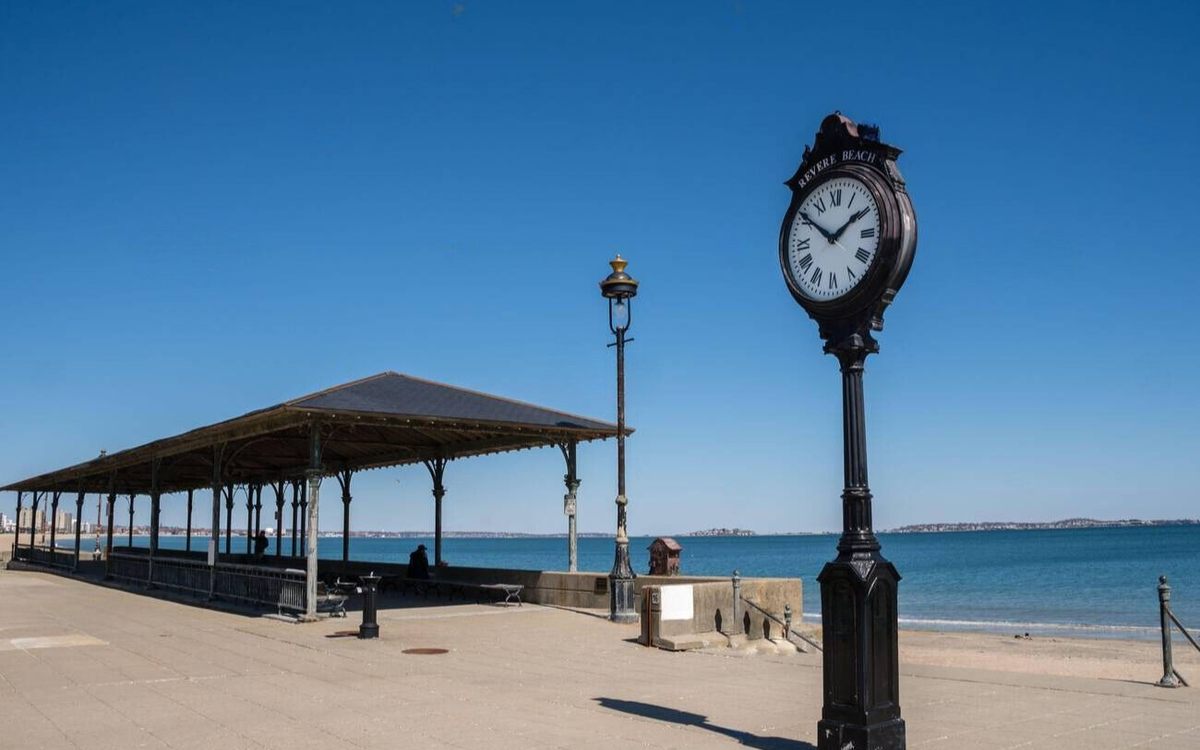
RevereBeach.com: a 1997 site, rebuilt as a local platform.
More than 1,100 pages of history, events, and news, rebuilt so residents and visitors can find what they came for.

- The situation
- RevereBeach.com has been online since 1997. It held decades of history, but it had outgrown the way it was built. There was no business directory. Events rarely made it onto the site. Updates lived in a blog. Google kept showing the site in search, and visitors kept passing it over: before launch, it was shown about as often as a year earlier but earned 28 percent fewer summer clicks (April 18 to August 17, 2026, against the same period in 2025).
- What we rebuilt
- We rebuilt the site as a working local platform. It now has a business directory, an events calendar where organizers submit and staff approve, a moderated news and community feed, and site search. None of these existed before. The historical archive, more than 1,100 pages of it, was preserved and restructured so search engines can read it.
- The foundation
- The technical foundation went from failing to gold standard. Email authentication is now complete, with SPF, DKIM, and DMARC in place and DMARC enforced at reject. All six recommended security headers are in place, where there were none. The site scores 100 on accessibility on mobile and desktop, and its structured data is readable by search engines and AI assistants, with an llms.txt file published for them. In staging tests during the rebuild, the time for the main content to appear on mobile dropped from 2.26 seconds to 1.08.
- The work in progress
- The site was ranked well but chosen less, and the cause was the search listings themselves. Meta descriptions have gone from 1 percent of pages to about 6 in 10 of the pages checked after launch, and the rest are being written now. The site went live on September 24, 2026, which is too recent for a fair traffic comparison. We will report the results here as the data comes in, starting with a 30-day reading in late October.
| Before | After | |
|---|---|---|
| Business directory | None | 289 listing and category pages |
| Events | Rarely posted | Calendar with submission and approval |
| Meta descriptions | 1% of pages | About 6 in 10 of pages checked, work ongoing |
| Security headers | None | All six |
| Email authentication | Failing | Enforced (DMARC at reject) |
| Accessibility | Not measured | 100, mobile and desktop |
| Internal pages returning errors | 16 | None among 900-plus pages checked |
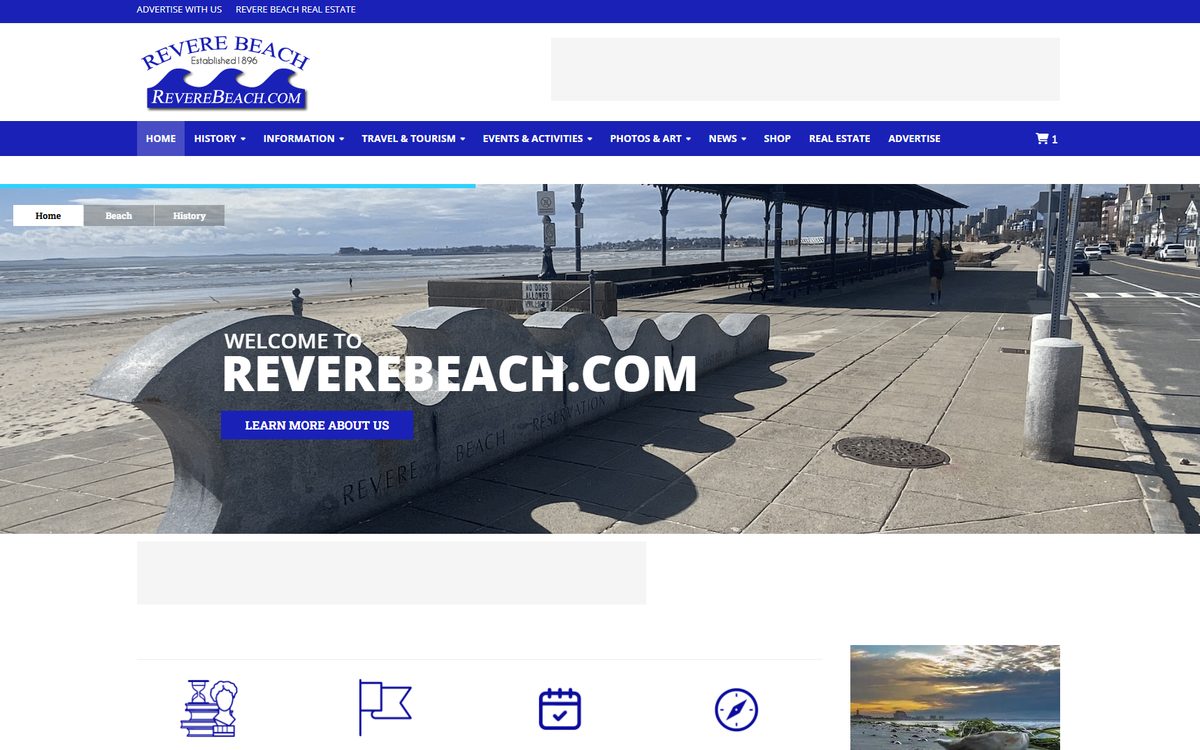
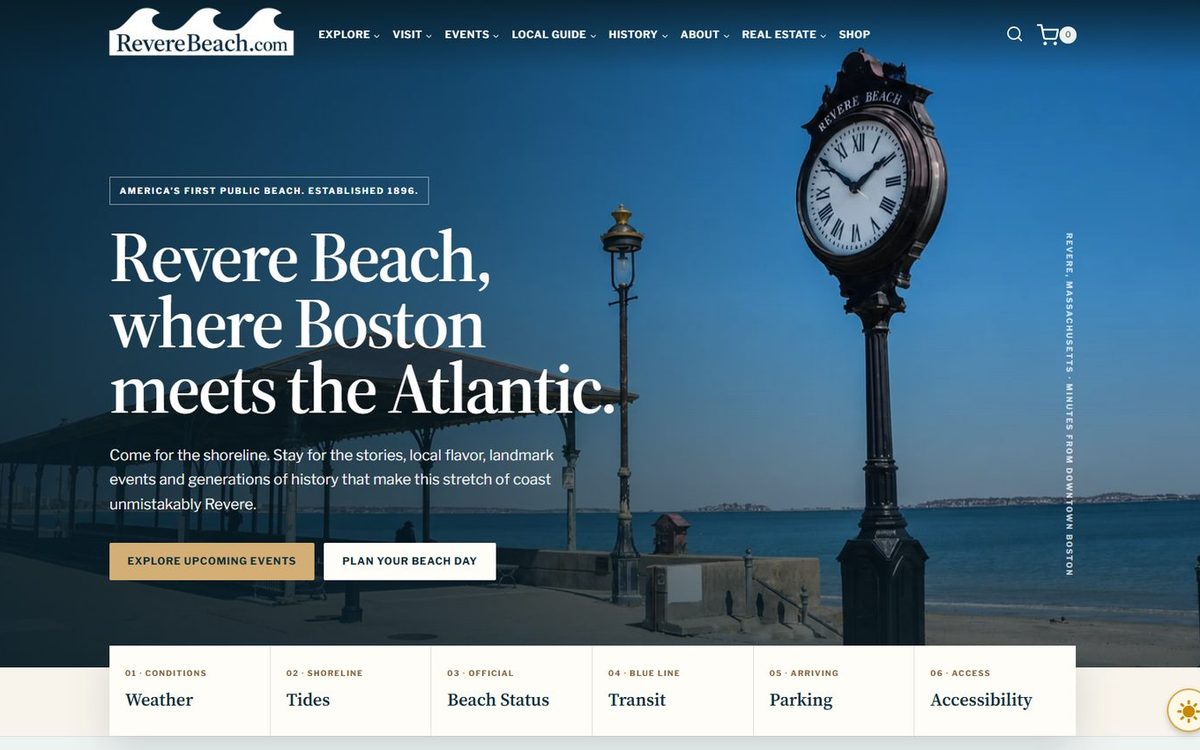
Sources: site crawls of August 8 and September 29, 2026 (the September crawl covered 900-plus pages); Google Search Console; Google PageSpeed Insights and header, email, and Front Door checks observed September 29, 2026; staging performance audit, September 11, 2026. Next update: late October 2026.
Our own site, rebuilt the way we would rebuild yours
We ran our Review on our own Wix site before replacing it, then published every score, including the weak ones. Security headers went from grade E to A, mobile PageSpeed performance from 40 to 99, and all 229 old addresses still land on a working page. Search visibility is re-measured at 30, 60, and 90 days.
A Massachusetts dental laboratory
- The situationA specialty laboratory serving dental practices, with a website that no longer reflected the business, inconsistent local listings, and a phone system due for replacement.
- What the diagnostic foundCredibility and case-submission volume were being lost at the website and the listings before a prospect ever called. The phone system was a separate decision with its own vendor pressure.
- What we didRebuilt the website and its service presentation, standardized the public-facing brand and local listings, produced the content to support it, and introduced a communications provider for the phone system with the relationship disclosed. The client made the decision; we filtered the options and stayed accountable for the introduction.
Why it is here. It is the shape of most engagements at this size: a growth problem and a technology decision arriving together, handled as one accountable relationship rather than two vendor conversations.
Outcomes from the ecosystem, anonymized.
The Deady Group orchestrates execution through a bench of specialist providers. The outcomes below were delivered by providers in that ecosystem, for their clients, and are here to show what the bench can execute when a diagnosis points there. Identifying details are removed. None carries a quote.
The incumbent consultant could not find the savings.
A global payments company saw its cloud costs rise across multiple teams and subscriptions, with limited visibility into what was being spent and why. The cloud consultant already on the account had been unable to identify savings. A two-week cost assessment by a specialist provider found underutilized virtual machines and storage, unused reservations, and resources provisioned independently by separate teams.
20 percent reduction in cloud cost, with continuous cost visibility and ongoing optimization in place afterward.
Unpredictable cloud spend, stabilized.
A New England software company inherited a cloud environment it had not built, with monthly costs swinging by as much as $70,000 and no visibility into why. An assessment against a published architecture framework found idle virtual machines, unassigned managed disks, and workloads sized for a business that no longer existed.
An immediate 6 percent cut in cloud cost, a projected 15 percent reduction over time, a further 30 percent identified in unassigned resources, and a monthly bill that became predictable, with disaster recovery added in the same engagement.
Security visibility without growing the IT team.
A distributed logistics company needed cybersecurity visibility across a spread-out environment, plus the incident response and continuity capability its compliance obligations required, with a lean internal IT team it did not intend to expand. A managed detection and response service was layered onto the provider already running its infrastructure, backup, and disaster recovery.
The same lean team, extended with threat hunting, testing, and advisory capacity it did not have to hire.
Outcomes from our own advisory work.
These two are The Deady Group's own engagements. They are here because they are the kind of outcome no provider's library can supply: the recommendation that paid the advisor nothing.
We recommended they build it themselves.
A membership organization had outgrown the way it managed its members, events, and communications, and had a proposal in hand for a commercial platform to replace it. The evaluation began with the requirement rather than the product: what the organization actually needed the system to do, what it would cost over the term including the parts the proposal did not itemize, and what it would take to leave if the platform did not work out. Against that, we costed the alternative the organization had been discounting: building the capability internally, on tools it already paid for, with the staff it already had. The internal build fit the requirement more closely, cost less over the term, and left the organization owning its own data and process. That was the recommendation. It paid the firm nothing, and the commercial platform’s vendor did not get the sale.
The organization built it, on budget, and owns it.
We recommended they not lock in.
A company’s energy supply contract was approaching its decision point, and the fixed rate available to it was close to what it was already paying on its current supply. The easy recommendation, and the one that would have compensated the firm, was to lock in now and call the certainty a win. The market at the time did not support it: the spread between the current rate and the fixed offer was too narrow to justify a multi-year commitment, and locking in would have removed the company’s ability to act if the market moved in its favor. The recommendation was to stay on current supply, set a threshold at which a fixed rate would become worth taking, and watch the market against it.
No premature commitment, a defined trigger for when to act, and a client that saw the firm turn down its own commission in writing.
Outcomes from the growth bench.
The technology cases above come from the advisory side of the house. This one comes from the other side: the go-to-market bench that carries growth work for the firm's clients and partners. Same rules: delivered by a specialist bench in the ecosystem, identifying details removed, no quote.
From services revenue to a repeatable software business.
A telecom infrastructure software company had built a vertical mapping product its customers wanted and had the traction to prove it. What it did not have was a software business underneath: revenue and expenses were tracked like a consulting firm, and the metrics a software company runs on, recurring revenue and retention, were not being measured at all. Working alongside the company's finance lead, the growth bench rebuilt the financial model around those metrics, tested the assumptions against the company's own history, and built the projections, plans, and targets on top of it. From there the work moved into the go-to-market engine: quota modeling, cost allocation, sales compensation, and a bottom-up model for the growth rate the company was aiming at. The bench also served as an internal advocate, helping the board and earlier investors see the company as the software business it had become.
Operations aligned to the product, a go-to-market engine under construction, and a company positioned to grow on the metrics that matter for its category.
A complete Review, start to finish.
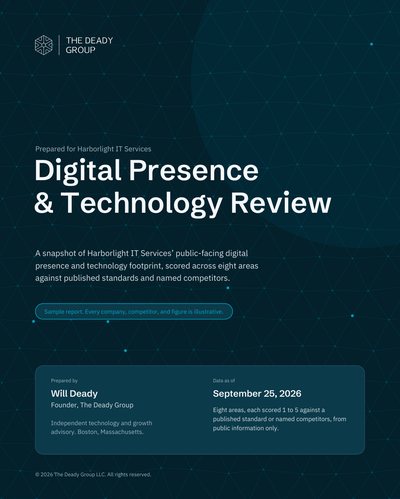
The fastest way to judge the method is to read one. This is a full eight-area, 21-page Review of an illustrative IT services company, built the way every client Review is built, including at least one area where the finding was that nothing needed to change.
What we will not show you.
Testimonials we wrote ourselves. Quotes attributed to clients who did not say them. Numbers we cannot trace. Logos of organizations that have not agreed to appear. If it is on this page, it is real, and if we cannot yet prove it, it is marked as pending.
The next case could be yours.
The Digital Presence & Technology Review is the fastest way to see how we work, and it costs nothing. If the situation is already clear, start a conversation instead.