Communications platforms, and the legacy voice still running behind them.
Phones, meetings, messaging, and the contact center now overlap, and the vendors selling each would like to be the answer to all of it. We help you decide what to consolidate, what to keep, and what to retire.

The copper is going, on a schedule.
Carriers are retiring analog lines, and most voice already runs over the internet.
Platform decisions.
Four questions, usually asked one at a time and better answered together.
Unified communications
Moving from an aging PBX to a cloud platform, or consolidating calling, meetings, and messaging into one. Compared on call quality, administration, integrations, and multi-site behavior.
Microsoft Teams as the phone system
Whether Teams Phone or direct routing fits, where the gaps are, and the cost once licensing, carrier voice, and session border controllers are counted together.
Contact center
Whether a fragmented contact center needs a new platform, and whether promised AI gains are measurable, governable, and worth the risk.
Hybrid and distributed teams
Consistent calling, mobile apps, and routing for people in the office, at home, and in between.
What keeps the old phone system in place.
Most companies have started the move to cloud calling. The ones still waiting usually are not waiting on the technology.
An expiring contract and an out-of-warranty PBX are the two most common reasons companies start looking. Both come with a date, which is the best time to compare.
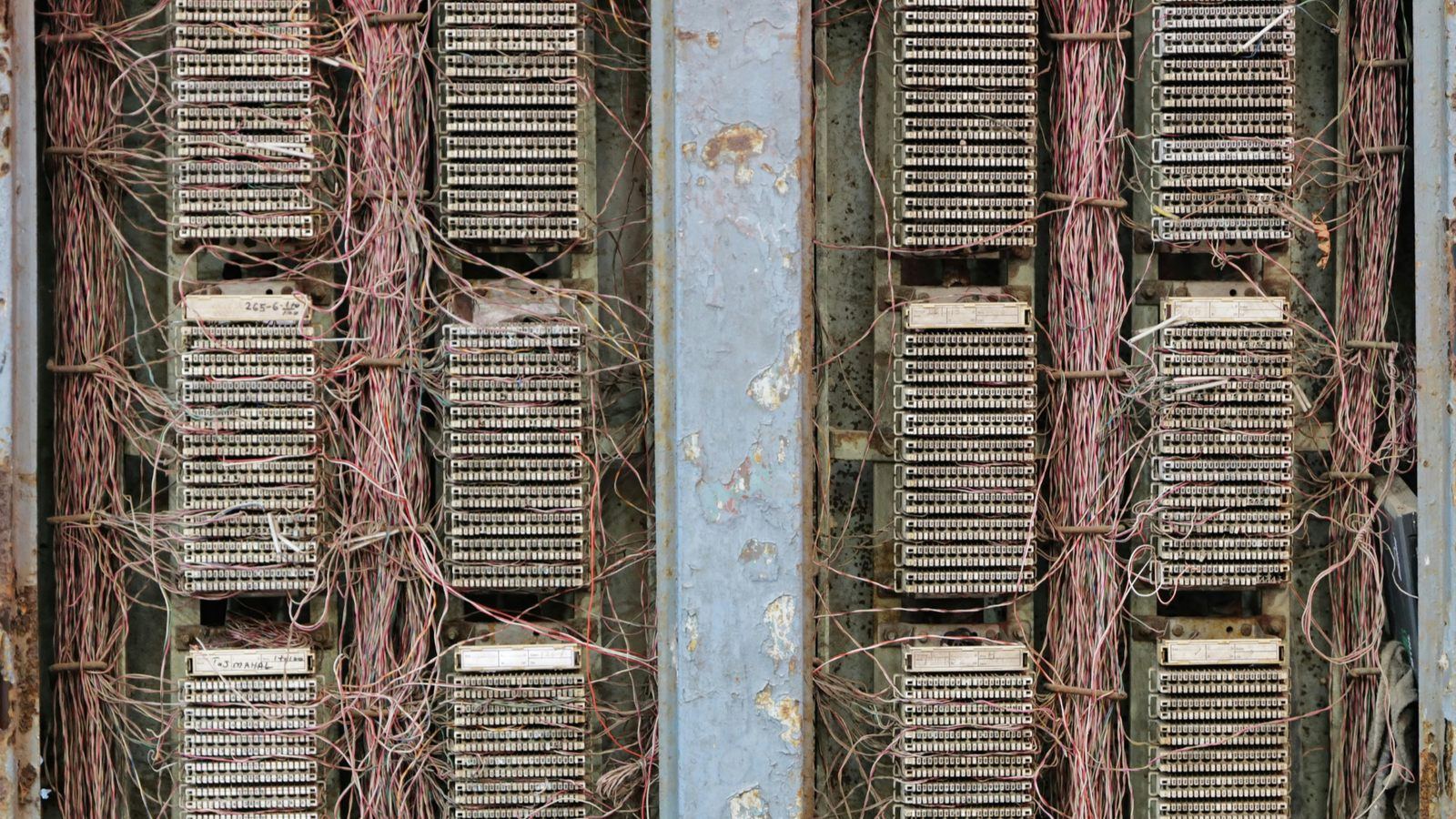

Legacy voice and the copper.
The lines nobody has traced.
Carriers are retiring copper and raising the price of what remains. Fire alarm communicators, elevator phones, security panels, and fax often still depend on it. Each has a code behind it, and the replacement has to satisfy the inspector, not just the invoice.
The inventory comes first and should be done by someone who is not paid on the answer. That is what the POTS line replacement page and the assessment are for.
- Every analog line inventoried and traced
- Life-safety lines matched to their code requirement
- Replacement options priced side by side
- Emergency calling answered before purchase
Emergency calling.
Multi-site and hybrid environments raise a question that surprises many organizations: when someone dials 911 from a laptop, or from a floor of a building with one main number, where does the call go and who is told? Federal rules on emergency calling from multi-line systems, and dispatchable location, apply to modern platforms as much as to old ones. We put the question into the requirement list so it is answered before purchase.
Should we move our phones to Microsoft Teams?
Sometimes. It depends on licensing you already own, how calls need to route across sites, and what carrier voice and session border controllers add to the cost. We put Teams Phone on the same sheet as the alternatives and let the numbers decide.
Which of our lines still run on copper?
Usually more than anyone remembers: fire alarm communicators, elevator phones, security panels, fax. The POTS Replacement Assessment is a ten-minute first pass; the inventory itself should be done by someone who is not paid on the answer.
What about 911 from a softphone?
Federal rules on emergency calling from multi-line systems, including dispatchable location, apply to modern platforms. We put the question in the requirement so it is answered before purchase.