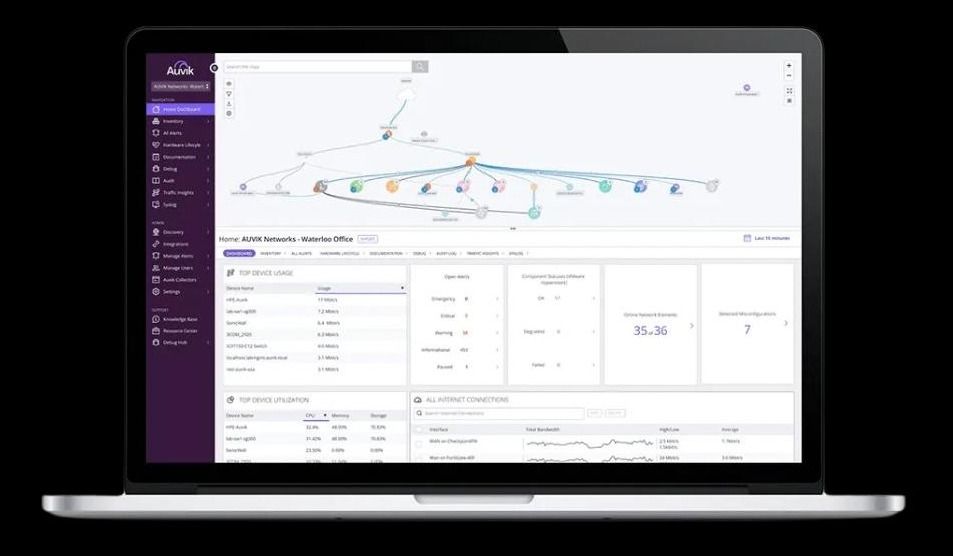
In today's rapidly evolving digital landscape, network visibility is poised to become an essential element of IT strategy by 2025. As organizations aim to enhance performance and minimize downtime, IT leaders overseeing mid-sized organizations across varied sectors such as healthcare, legal, manufacturing, and local government face an increasing challenge. Consequently, the task of maintaining seamless operations amid alert fatigue and remote user issues becomes more urgent than ever.
Therefore, Auvik, a cloud-based network monitoring and management platform, offers a solution with its real-time visibility and automated insights specifically tailored to meet these needs. By focusing on reducing reactive troubleshooting and enhancing IT response times, Auvik enables businesses to achieve secure and scalable network visibility.
Additionally, Auvik ensures that network performance tools are efficient and aligned with the distinct requirements of multi-site operations. Thus, in this post, we will explore why network visibility is mission-critical and how Auvik can simplify the task of maintaining a robust IT infrastructure.
The Importance of Network Visibility
Network visibility is foundational for IT teams managing complex infrastructures. This section explores its critical importance and its impact on business operations.
Understanding Network Visibility
Network visibility refers to the ability to monitor and understand all traffic, devices, and activities within network infrastructure. Consequently, it provides IT teams with a comprehensive view of network performance, security, and user behavior.
This level of visibility is achieved through various tools and technologies that collect, analyze, and present data from across the network. These may include packet capture devices, flow analyzers, and network performance monitoring solutions.
By gaining clear insights into network operations, IT professionals can proactively identify and resolve issues, optimize performance, and ensure compliance with security policies.
Impact on Business Operations
Effective network visibility significantly influences business operations by enhancing productivity, reducing downtime, and improving security posture. Consequently, it empowers organizations to make data-driven decisions about resource allocation and infrastructure investments.
With comprehensive visibility, businesses can:
- Quickly identify and resolve performance bottlenecks
- Ensure optimal application delivery to end-users
- Improve capacity planning and resource utilization
- Enhance security by detecting anomalies and potential threats
These benefits translate into tangible business outcomes, such as increased employee productivity, better customer experiences, and reduced operational costs.
Challenges Without Visibility
Organizations lacking adequate network visibility face numerous challenges that can severely impact their operations and bottom line. These issues often lead to increased downtime, security vulnerabilities, and inefficient resource allocation.
Common challenges include:
- Prolonged troubleshooting times due to limited insights
- Difficulty in detecting and mitigating security breaches or threats
- Inefficient capacity planning and resource management
- Poor end-user experiences and decreased productivity
Without proper visibility, IT teams are forced into reactively responding to issues, akin to putting out fires instead of proactively optimizing network performance and security.
Network Monitoring for IT Teams
Effective network monitoring is crucial for IT teams to maintain optimal performance and security. Consequently, we will delve into the benefits of real-time monitoring and tools that significantly enhance the end-user experience.
Real-Time Monitoring Benefits
Real-time network monitoring provides immediate insights into network performance, thereby enabling IT teams to respond quickly to issues as they arise. This proactive approach helps minimize downtime and maintain optimal network health.
Key benefits of real-time monitoring include:
- Instant detection of network anomalies and performance issues
- Rapid response to potential security threats, enhancing network security
- Improved capacity planning based on current usage patterns, allowing efficient resource allocation
- Enhanced ability to meet service level agreements (SLAs), ensuring reliable service delivery
By leveraging real-time data, IT teams can make informed decisions quickly, leading to more efficient network management and, ultimately, improved overall performance.
Reducing Alert Fatigue
Alert fatigue is a prevalent challenge for IT teams using numerous monitoring tools. It occurs when professionals, over time, become desensitized to alerts due to their frequency or irrelevance, and as a result, they potentially miss critical issues.
To combat alert fatigue, organizations can:
- Implement intelligent alert filtering and correlation, thereby reducing unnecessary noise
- Establish clear alert severity levels and response protocols, ensuring efficient management
- Utilize automation to handle routine alerts, freeing up valuable time
By reducing noise and focusing on actionable insights, IT teams can maintain vigilance without becoming overwhelmed by constant notifications.
Tools for End-User Experience
End-user experience monitoring tools provide valuable insights into how network performance affects productivity and satisfaction. These tools help IT teams understand and optimize the user perspective.
Key features of end-user experience tools include:
- Application performance monitoring from the user's viewpoint
- Network path analysis to identify bottlenecks
- Synthetic transaction monitoring to simulate user interactions
By focusing on the end-user experience, IT teams can align their efforts with business objectives and ensure that network performance translates into tangible benefits for employees and customers.
How Auvik Simplifies Network Management
Auvik's cloud-based platform offers a comprehensive solution for network management, effectively addressing key challenges faced by IT teams. We'll explore Auvik's features and benefits.
Features of Auvik's Platform
Auvik's network management platform provides a suite of powerful features specifically designed to simplify complex network operations. Consequently, these tools enable IT teams to maintain visibility, control, and security across their entire network infrastructure.
Key features include:
- Automated network discovery and mapping
- Real-time performance monitoring and alerting
- Configuration backup and change management
- Network traffic analysis and bandwidth monitoring
These features work together to provide a holistic view of network health and performance, thereby enabling proactive management and rapid issue resolution.
Improving IT Response Times
Auvik's platform significantly enhances IT response times by providing immediate access to critical network information and automated troubleshooting tools. Consequently, this rapid response capability helps minimize downtime and improve overall network reliability.
Moreover, the benefits for IT response times include:
- Instant access to network topology and device configurations
- Automated alerts for potential issues before they impact users
- Quick identification of root causes through detailed network insights
- Streamlined remote management
Therefore, by reducing time spent on manual tasks and providing actionable insights, Auvik enables IT teams to resolve issues faster and focus on strategic initiatives.
Enhancing Remote Office Connectivity
With the increasing prevalence of remote work, managing connectivity for distributed offices has become crucial. Consequently, Auvik offers specialized tools to effectively monitor and optimize remote office networks.
Auvik's remote office management capabilities include:
- Centralized visibility of all remote sites from a single dashboard, enhancing oversight and control
- VPN monitoring and troubleshooting, ensuring secure and reliable connections
- Bandwidth utilization tracking for remote locations, aiding in efficient resource management
- Automated configuration management across distributed networks, reducing manual intervention
These features ensure that remote offices maintain the same level of connectivity and performance as central locations, supporting a seamless work experience for all employees.
Cloud-Based Visibility Solutions
Cloud-based network visibility tools offer unique advantages in terms of scalability, security, and cost-effectiveness. This section examines how these solutions benefit growing organizations.
Secure and Scalable Tools
Cloud-based network visibility solutions provide a secure and scalable approach to monitoring and managing complex network infrastructures. These tools offer robust security features while allowing organizations to easily expand their monitoring capabilities as they grow.
Key advantages include:
- Automatic updates and patches for enhanced security
- Scalable infrastructure that grows with your organization
- Multi-tenant architecture for secure data isolation
- Compliance with industry standards and regulations
By leveraging cloud-based tools, organizations can ensure their network visibility solution remains secure and capable of meeting changing needs.
Affordable Monitoring for Growth
Cloud-based network monitoring solutions offer cost-effective options for growing businesses, eliminating the need for significant upfront investments in hardware and software. Consequently, this affordability allows organizations to access enterprise-grade monitoring capabilities without straining the budget:
- Subscription-based pricing models provide better budget planning
- Reduced IT infrastructure costs and automatic scaling accommodate network growth
- Lower total cost of ownership compared to on-premises solutions
These factors make cloud-based monitoring an attractive option for businesses looking to optimize their IT spend while maintaining robust network visibility.
Health Checks for Network Performance
Regular network health checks are essential for maintaining optimal performance and identifying potential issues before they impact operations. Consequently, cloud-based tools offer comprehensive health check capabilities that provide valuable insights into network health and performance.
Key components of network health checks include:
- Performance device inventory and status reporting
- Performance benchmarking against industry standards
- Identification of configuration issues and security vulnerabilities
- Recommendations for optimizing network performance improvements
By conducting regular health checks, organizations can proactively address potential issues and ensure their network infrastructure remains optimized for business needs.
Taking Action with Auvik
Discover how Auvik can radically transform your network management approach. This section carefully guides you through the next strategic steps to effectively leverage Auvik's powerful platform for your organization.
Booking a Consultation
Ready to take control of your network performance? Whether you're exploring tools to reduce alert fatigue, streamline IT troubleshooting, or improve visibility across multiple sites, The Deady Group is here to help you align with the right solution.
Here's how to get started:
Book a strategy consultation with The Deady Group. We'll review your current environment and challenges, then recommend a visibility strategy powered by trusted solutions like Auvik.
Start a guided trial of Auvik. Experience how real-time monitoring and automated insights can transform your IT operations. We'll walk you through setup and highlight key features relevant to your goals.
Run a network health check. We'll facilitate a performance snapshot of your existing infrastructure to uncover bottlenecks, identify risks, and pinpoint quick wins for optimization.
This approach combines the technical power of Auvik with The Deady Group's tailored advisory support, which ensures you're not just buying software, but investing in smarter, more resilient IT operations.
Comparing Auvik to Traditional Network Monitoring Tools
When evaluating network monitoring solutions, it's important to understand how Auvik compares to traditional tools. This comparison highlights Auvik's unique features and benefits.
Auvik's cloud-based approach and advanced automation capabilities offer significant advantages over traditional network monitoring tools, particularly for organizations seeking a modern, scalable solution.